EHRI Newsletter - September 2026 |
|
|
|
Welcome to this EHR Newsletter! This edition has plenty of news and opportunities to engage and explore. We are very pleased to announce that EHRI is expanding with new partnerships in the US and Argentina. This significantly increases our reach.
Furthermore, you can read about the next EHRI webinar, apply for a UK fellowship and find out about our first Annual Activity Report. We shine lights on EHRI-DE, the EHRI Portal and two Conny Kristel fellows. As usual we also have news from our network. Our latest EHRI Document Blogpost is about how undocumented Nazi medical experiments can be recorded through survivor testimonies; or you can completely emerge yourself into the seven brand new episodes of our podcast on Roma and the Holocaust.
We send you our best wishes and always welcome feedback: communications[at]ehri-project.eu |
|
|
|
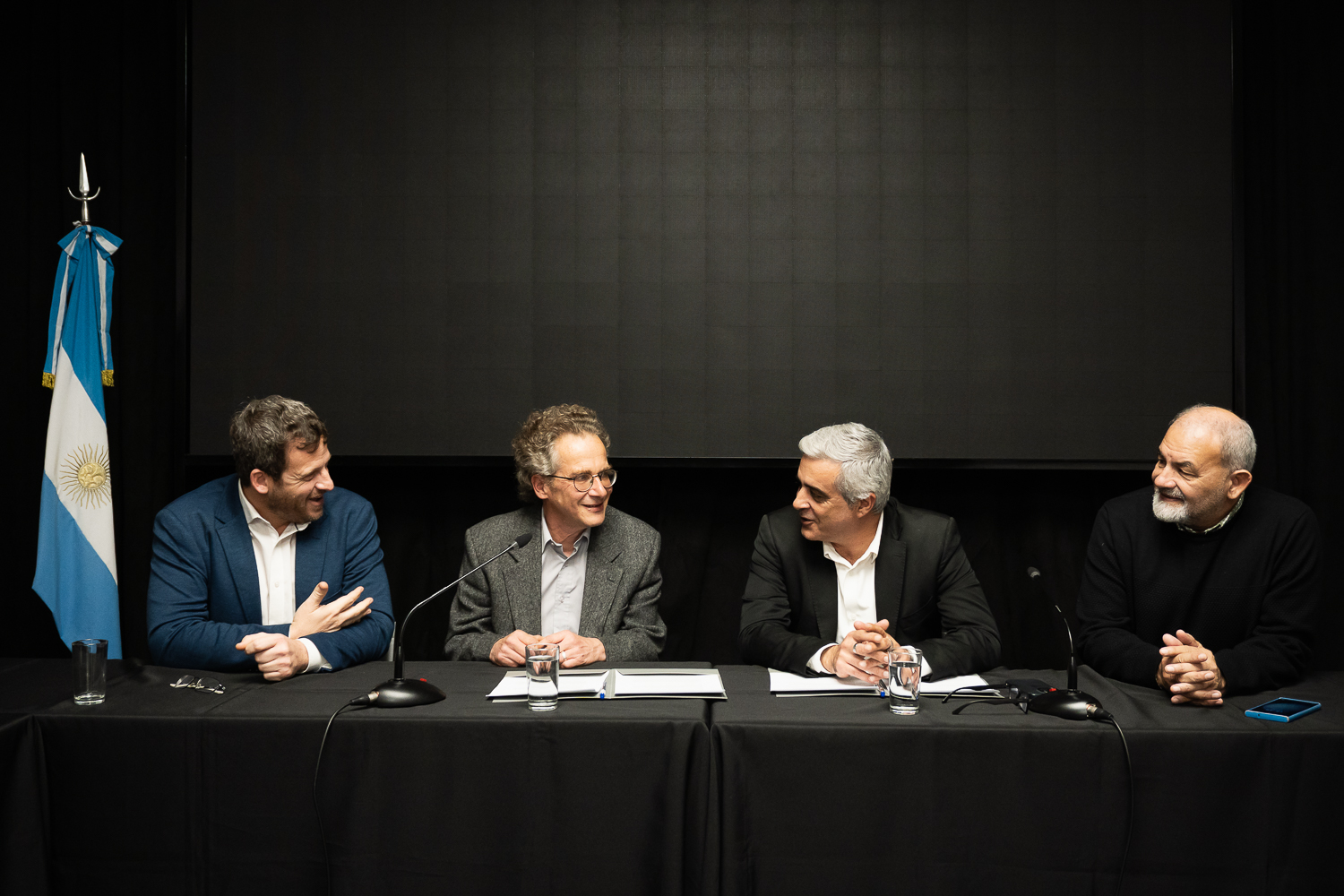
EHRI Is Expanding: Partnership Agreements Signed with US Holocaust Memorial Museum and Fortunoff in the US and with the National Interuniversity Council of Argentina |
|
|
|
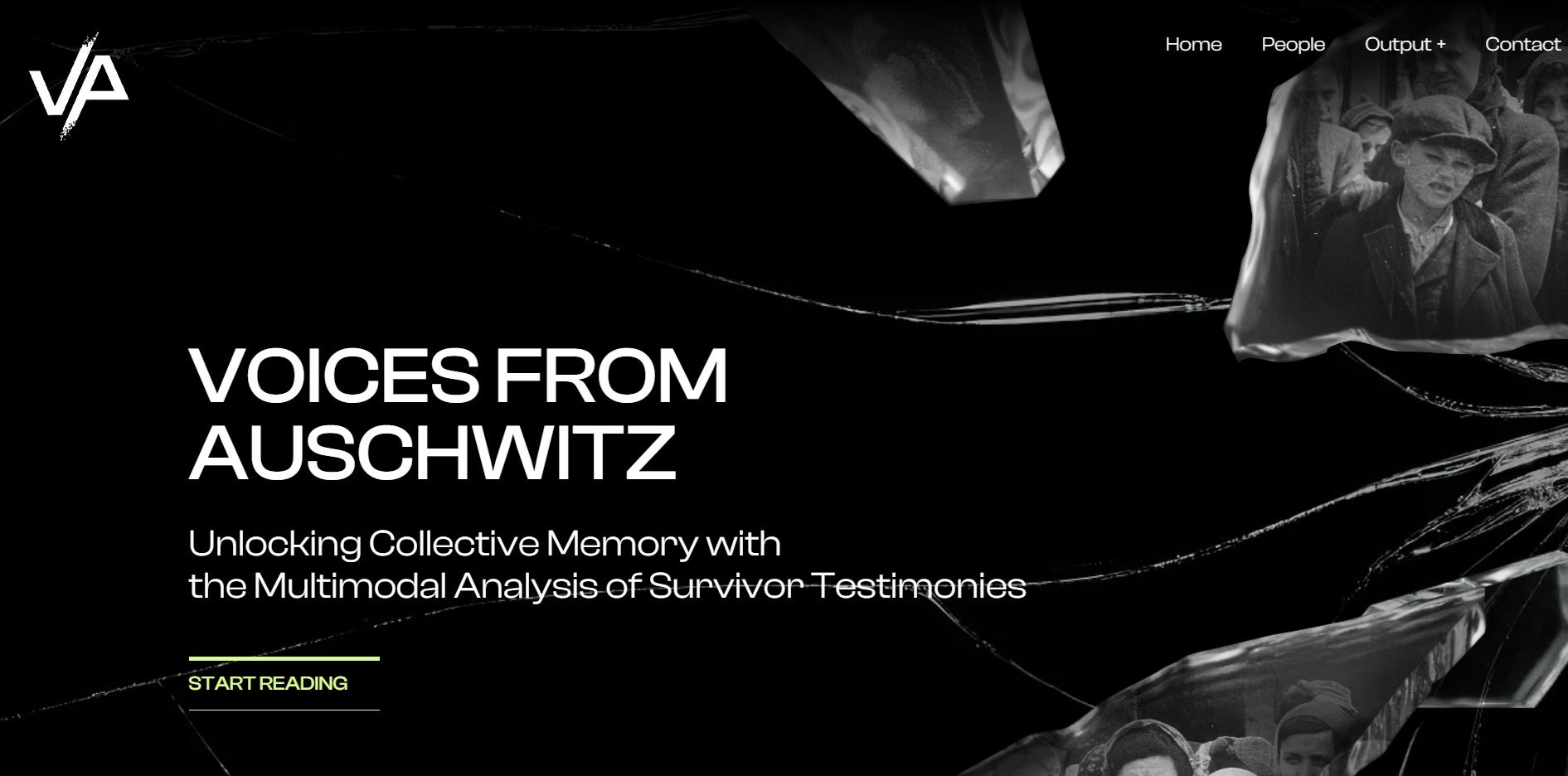
EHRI Webinar 7 Oct. | Exploring the Emotional and Narrative Dimensions of Holocaust Testimonies through Knowledge Graphs
|
Holocaust testimony archives preserve hundreds of thousands of audiovisual interviews documenting persecution, displacement, deportation, and survival. Yet existing testimony portals still primarily rely on keyword search, manually curated indexing vocabularies, and collection-level metadata, making it difficult for historians to identify semantically related experiences, analyse emotional expressions, or compare survivor narratives across collections. This webinar presents VOICES, a Digital Humanities framework developed in collaboration with Holocaust historians to support multimodal exploration of survivor testimonies through knowledge graphs and semantic technologies.
|
|
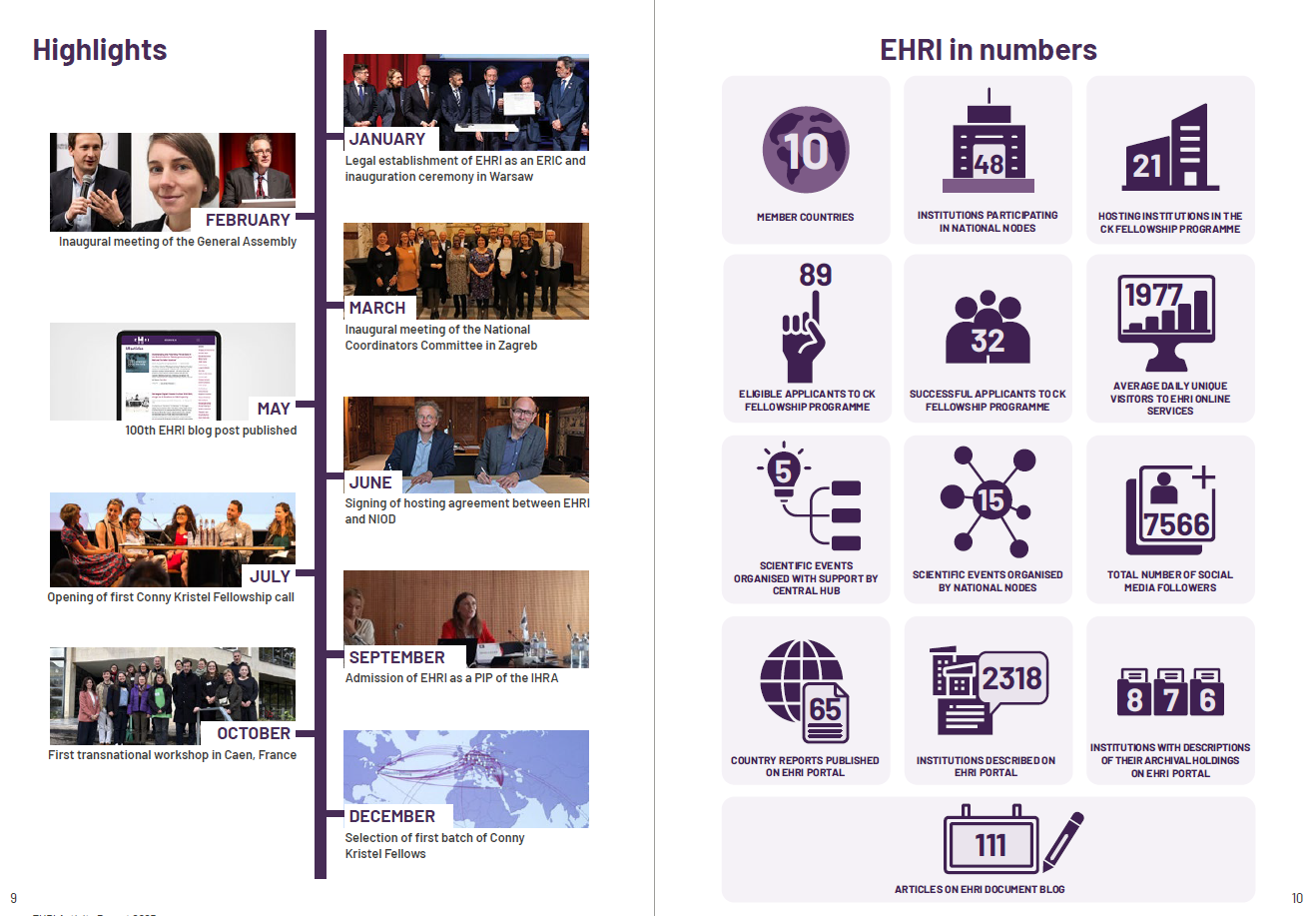
| EHRI’s First Annual Activiy Report: What did we achieve in 2025? |
Welcome to the very first EHRI-ERIC Annual Activity Report! With a new organisation comes new responsibilities and after a long history of writing project reports and deliverables, we have published our first Annual Activity Report, which we are proud to present. It sets out EHRI’s achievements and advancement during 2025. |
|
|
|
News from the National Nodes |
|
|
|
EHRI-UK National Research Fellowship Programme 2026-2027 |
EHRI-UK is pleased to announce the launch of the 2026-27 EHRI-UK National Research Fellowships! The scheme is designed to support and stimulate Holocaust research conducted by researchers, archivists, librarians, curators, and early career scholars, including PhD candidates.
Applicants must be based at institutions in the United Kingdom and Crown Dependencies, and the research must also be carried out at archives or institutions based in the UK and Crown Dependencies.
Projects will be considered within the Holocaust broadly conceived, including its prehistory, its aftermath, and the role of antisemitism before, during and after World War II. Applicants are encouraged to consult the EHRI-UK Collections Map to find relevant archives at which to base their research. |
|
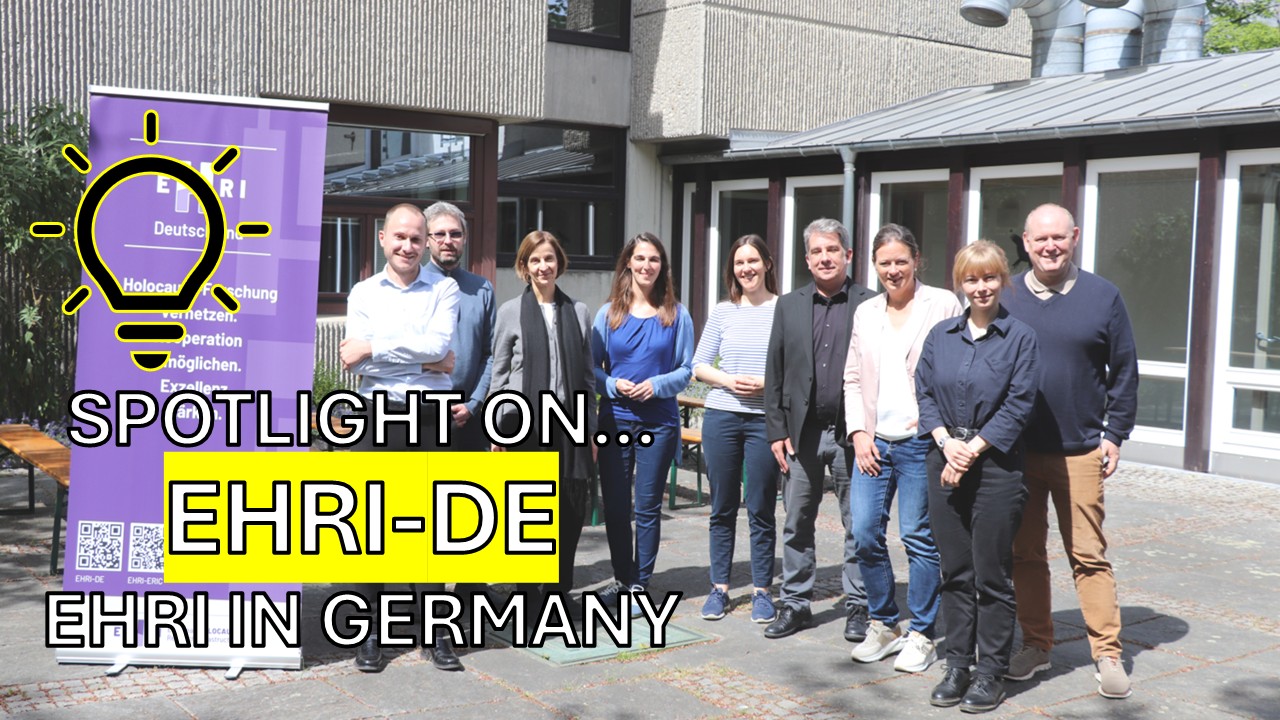
| Spotlight on… the EHRI National Node in Germany: EHRI-DE |
In this episode of Spotlight on… we focus on EHRI in Germany, and talk to Johannes Meerwald, National Coordinator. Hi Johannes, you represent EHRI-DE. How big is the German National Node?
Until September 2026, six institutions have joined the node. The Leibniz Institute for Contemporary History (IfZ), a research institution covering 20th century Germany history, coordinates the node. I serve as the National Coordinator of EHRI-DE and am an historian specialising in Holocaust history. I have already been involved with EHRI for four years, leading two work packages in two EHRI projects, preceding EHRI-ERIC.
Florine Miez (Communication and Education) and Miriam Reichlmaier (Digital Affairs) help to organise EHRI-DE and are responsible for project development. |
|
| |
|
United States Holocaust Memorial Museum | Holocaust Studies in Translation |
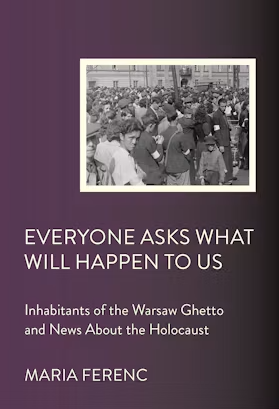
The United States Holocaust Memorial Museum’s Mandel Center for Advanced Holocaust Studies is soliciting nominations for books to consider for translation and publication in the Holocaust Studies in Translation series, an interdisciplinary program that showcases cutting-edge scholarship from Eastern Europe and makes it accessible to an English-speaking audience. The books will be published open access by Cornell University Press.
And make sure to check out the first book (here on the right) in the series coming out in print and open access on October 15! |
|
| |
|
The 2026 IHRA Grant Call is now open! |
Are you working on preserving the memory of the Holocaust or genocide of the Roma? IHRA Grants offer up to €30,000 for international, impact-driven projects.
The International Holocaust Remembrance Alliance support projects that counter distortion, preserve historical facts, and foster international collaboration. Applications for abstracts are open until 27 September. |
|
| |
|
Network | Call for Papers: The Bricha Movement and Jewish Displacement in Postwar Europe (1944-1948) |
June 28-29 | Location: NY Prague, Czech Republic | Deadline for applications: 30 January 2027
Organisers: The Diana and Eli Zborowski Center for the Study of the Aftermath of the Holocaust, Yad Vashem; the Jack, Joseph and Morton Mandel Center for Advanced Holocaust Studies at the United States Holocaust Memorial Museum (USHMM); and the NYU Center for the Study of Antisemitism
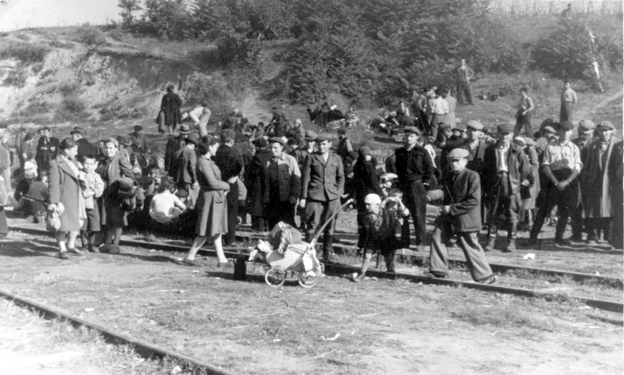
Yehuda Bauer’s seminal study The Bricha (1974) laid the foundations for the scholarly study of the postwar mass movement of Jewish survivors across Europe. This workshop invites scholars to extend this research further and explore the history, significance, and legacy of the Bricha (“Escape”) movement and the broader experiences of Jewish displacement and migration in postwar Europe. |
|
| |
|
GAMI: A New Initiative for Proving the Authenticity of Digital Holocaust Collections |
|
|
|
|
|
If future generations are to differentiate real images from fake ones, the time to establish the proof is now. |
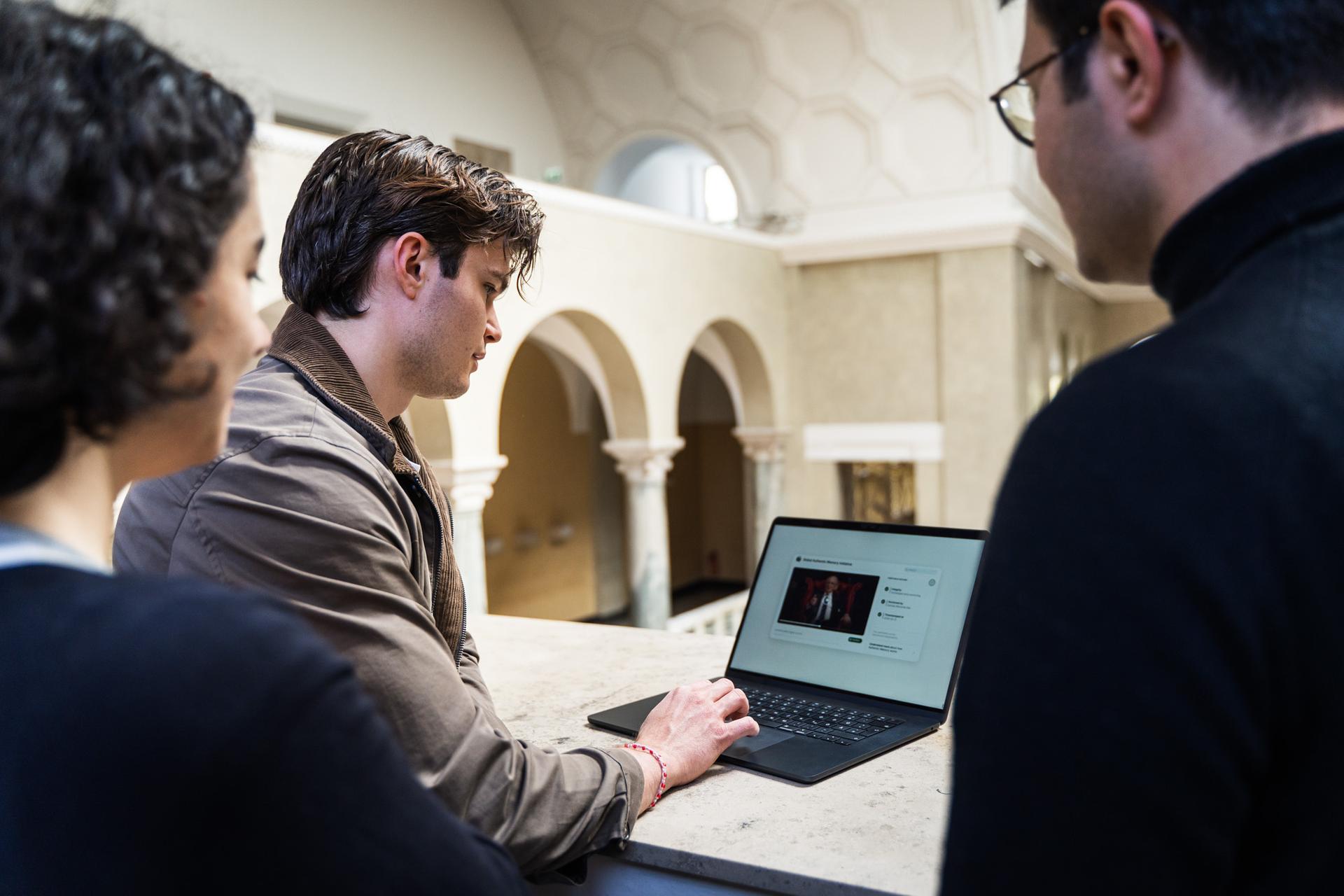
A guest contribution from the Global Authentic Memory Initiative (GAMI), Munich, Germany. When memorial sites and educational institutions published a joint open letter against AI-generated Holocaust distortions in January 2026, they pointed to a danger that goes beyond the fabricated images themselves: confronted daily with convincing fakes of supposed scenes from the Holocaust, users have begun to doubt even authentic historical documents. Whether emerging as a by-product of a changing media landscape or deliberately perpetrated, the erosion of public trust in historical evidence is becoming antisemites’ cheapest weapon.
|
|
|
|
|
New Season EHRI Podcast ‘For the Living and the Dead. Traces of the Holocaust’ Dedicated to Roma and the Holocaust |
|
|
|
You can now watch the recording of the webinar that launched the podcast season.
Milica Glišić was a 25-year-old Romani woman with an eight-year-old son. Together with approximately 600 other Romani women and children, she had been interned in the Judenlager Sajmište in Belgrade in mid-December 1941. A Slip of Paper Worth a Life
“I, the undersigned, hereby declare under oath that Paulina Eckstein, born on October 13, 1886, in Seebronn (Württemberg), was deported with me by the Gestapo in May 1940 from Karlsruhe to occupied Poland, and that she was forced into labour in Radom." Lost Earrings
In 1980, twelve Sinti, including Hans Braun and three other survivors began a hunger strike in the Church of Reconciliation on the grounds of the Dachau memorial site. They demanded official recognition of the Nazi genocide of the Sinti and Roma, an end to the special police registration of Sinti and Roma and the release of the Nazi-era files still being used by the state police. The Hunger Strike that Forced Recognition
Who were Milica, Paulina and Hans? They all feature in the new season of the EHRI Podcast For the Living and the Dead. Traces of the Holocaust. On August 5, to coincide with Roma Holocaust Memorial Day on the 2nd, the fourth EHRI Podcast Season was launched during a well-attended webinar.
In the webinar, our new podcast host Lovro Kralj met with three of the season’s podcast guests – Karola Fings, Milovan Pisarri and Anna Mirga-Kruszelnicka – for a live discussion on where Roma genocide research could be heading next. |
|
|
|
The fourth season of the EHRI Podcast series For the Living and the Dead. Traces of the Holocaust features seven new episodes around the theme Roma and the Holocaust: Karola Fings, historian Research Centre on Antigypsyism – The Hunger Strike that Forced Recognition: The Story of Hans Braun
Théophile Leroy, historian Strasbourg University – Lost Earrings: The Story of Pauline Eckstein Petre Matei, researcher “Elie Wiesel” National Institute for the Study of the Holocaust in Romania – A Wedding in Haste: Remembering Roma Genocide in Romania
Milovan Pisarri, researcher at the Institute for Philosophy and Social Theory in Belgrade – A Slip of Paper Worth a Life: Researching Roma Genocide in Serbia Danijel Vojak, historian Institute for Social Sciences Ivo Pilar, Zagreb – A Monument to Forgetting: Roma Genocide and Memory in Croatia
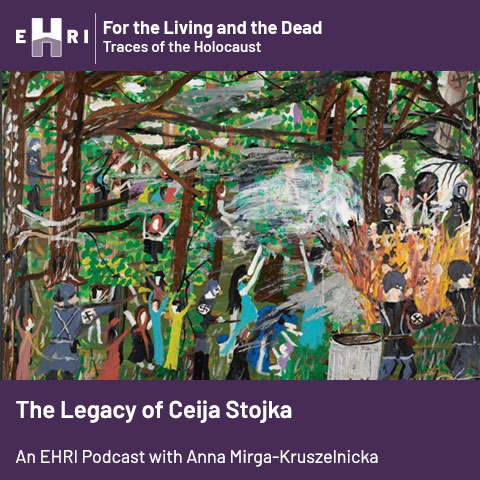
László Csősz, historian and archivist, Hungarian Jewish Museum and Archives in Budapest; project leader “Mapping the Genocide of the Roma in Hungary” – Midnight in the Graveyard: Remembering the Mass Murder of Roma in Wartime Hungary Anna Mirga-Kruszelnicka, Director of ERIAC – The Legacy of Ceija Stojka: Art, Memory and Resistance |
|
| |
|
Spotlight on... an EHRI Resource: The EHRI Portal |
|
|
|
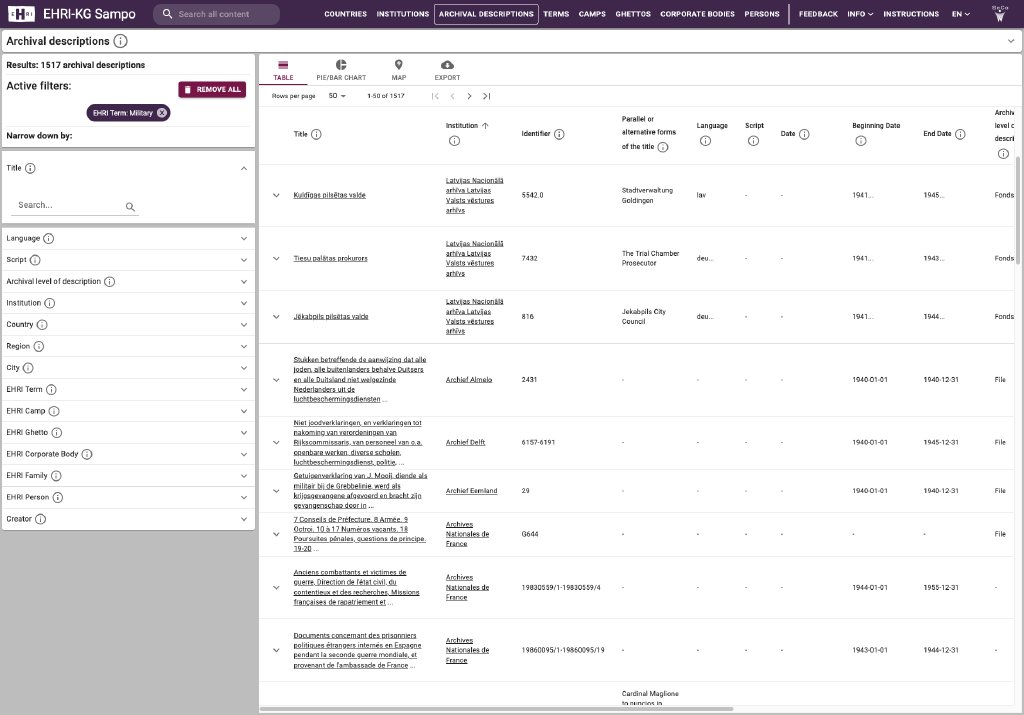
The EHRI-KG is now aligned with RiC-O 1.1 and new services available |
It has been almost a year since we last heard from the EHRI-KG (Knowlegde Graph) project, but the EHRI-KG team has been intensively working behind the curtains on a lot of new things, and it is now ready to face the last phase of the project.
The main highlight is the release of the EHRI Ontology 0.2.0, now aligned with the Records in Contexts Ontology (RiC-O) 1.1. The EHRI-KG and all the associated services have been updated to be compliant with this new version. This is a big milestone for the project since this is the latest version of RiC-O available and makes of the EHRI-KG a complete demonstrator on how trans-national archival data can be represented using this important standard, as well as making our partner’s data readily compatible with other initiatives implementing it.
|
EHRI-KG is an OSCARS-funded project to develop a comprehensive Linked Open Data (LOD) Knowledge Graph (KG) to complement the EHRI Portal, further advancing data accessibility and aligning with the evolving semantic web and LOD standards. |
|
|
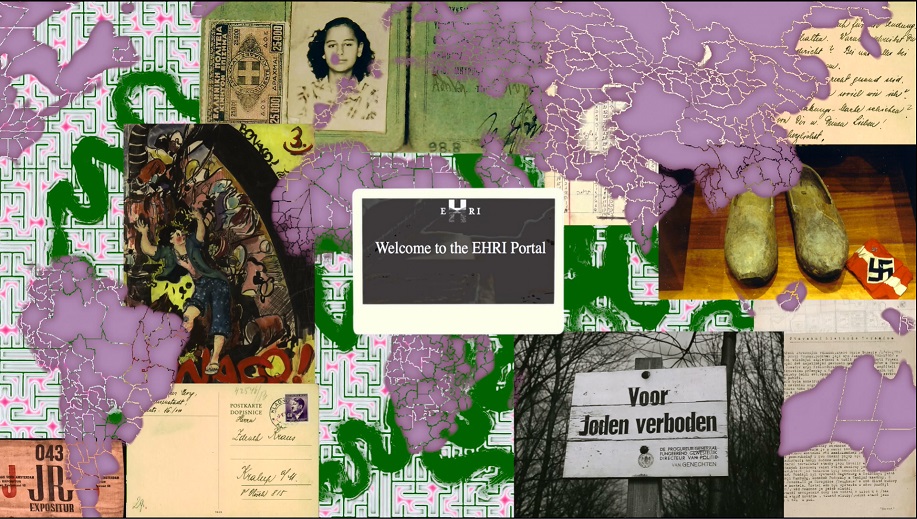
How to use the EHRI Portal? An indispensable tool for Holocaust research |
The EHRI Portal offers access to information on Holocaust-related archival material held in institutions across Europe and beyond.
On the portal website, you can browse 66 country reports, ranging from Albania to Vatican City. The reports provide an overview of the Second World War and Holocaust history as well as of the archival situation in the covered countries. The Portal also contains information of over 2,300 archival institutions, that hold Holocaust-related material, in 61 countries. On the EHRI Portal, you can search through 390,239 archival descriptions in 877 institutions. Vocabularies and Authority sets which help you to browse for terms, places, persons and corporate bodies are available. And you can browse in several languages.
The Portal is a growing resource. New material is added all the time and existing material updated. User-friendliness is improved on. The Portal has become an indispensable tool to navigate the widely dispersed and fragmented landscape
of Holocaust archives.
If you need a little help to make the most of what the Portal has to offer, there are several options:
EHRI Portal Manual | FAQ on the Portal |
|
|
|
|
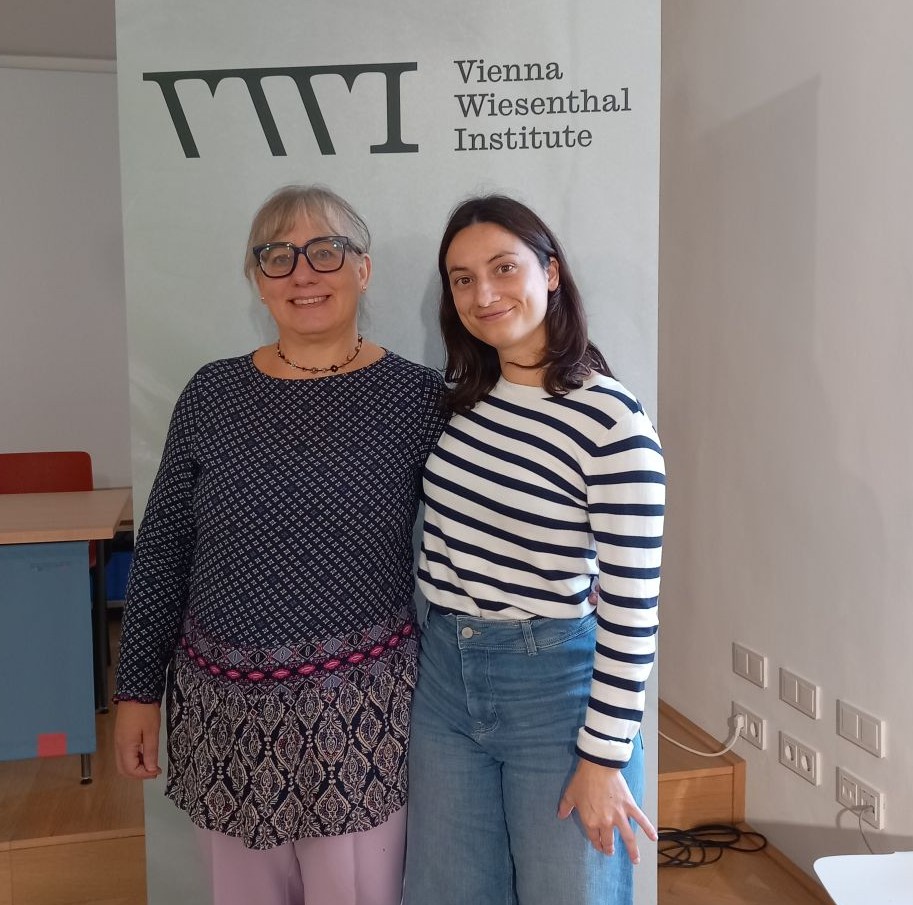
Making Connections through the Conny Kristel Fellowship Programme: Silvia Calamai and Laura Miñano-Mañero give insights into their research stay at the Vienna Wiesenthal Institute for Holocaust Studies |
|
|
|
EHRI National Coordinator for Austria, Marianne Windsperger caught up with the two Conny Kristel fellows who stayed at the same time at the Vienna Wiesenthal Institute (VWI) performing their respective research, and asked them some questions.
Hi Laura and Silvia, could you please describe the projects you are working on here?
Laura: I am working with oral histories of women survivors who hid in forests in Eastern Europe during the Holocaust. My idea is to focus on gendered violence and the forest as a space of refuge and violence at the same time. I am trying to explore this through an eco-feminist lense which explores how nature and women are subdued by the same patterns of domination. I am analyzing this topic in interviews of the USC Shoah Foundation Visual History Archive and the Fortunoff Video Archive for Holocaust Testimonies. These past weeks I have been going through the corpus, listening to the interviews.
|
|
|
|
|
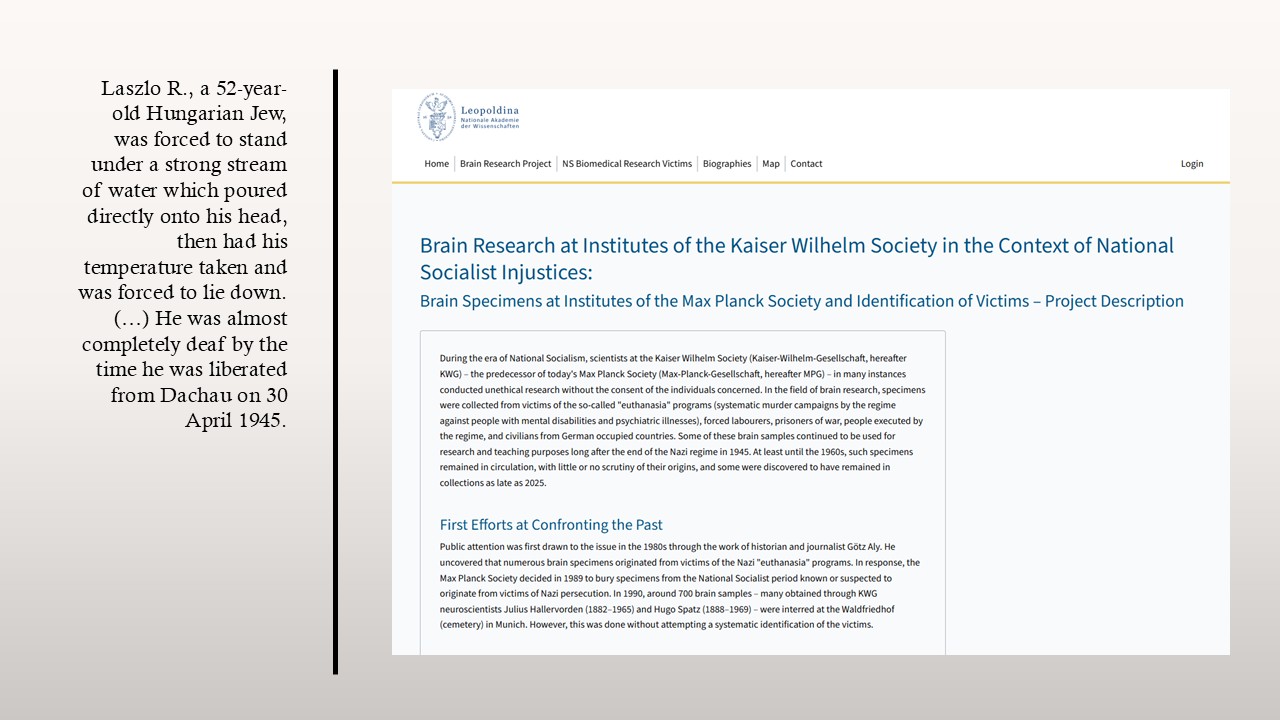
The EHRI Document Blog: How to Document What We Don’t (Yet) Know – Centering Survivors’ Experiences of Biomedical Research |
The latest blogpost, written by Aisling Shalvey, explores how undocumented Nazi medical experiments can be recorded through survivor testimony. Drawing on the Victims of Brain Research during National Socialism project, it argues that gaps in perpetrator-authored records should not invalidate victims’ experiences.
|
|
|
|
Copyright © 2026 EHRI-ERIC, All rights reserved.
EHRI-ERIC | Herengracht 380 | 1016 CJ Amsterdam | Netherlands If you no longer wish to receive this email, you can unsubscribe here. |
|
|
|
|